For Educators Release time in the public schools refers to programs in which students are released from school early to attend religious classes off school premises. Participating students must have permission from their parents. Nonparticipating students remain in school. Such programs may be constitutional if the religious classes take place off school grounds, if no public school funds are expended, and if school officials or teachers do not promote program attendance through coercion or…
198 Results
Back
For Educators Our country has a long history of youth-led movements that brought about significant social change. Young people have advocated for child labor laws, voting rights, civil rights, school desegregation, immigration reform and LGBTQ+ rights. Through their actions, the world has changed. Because young people often have the desire, energy and idealism to do something about the injustice they see in the world, they are powerful agents for change. Our work in education helps…

Being able to have respectful and constructive conversations is the bedrock of any relationship—whether those connections take place at home, school, work or in communities. However, when controversy or conflict arises, the discussions can quickly become polarized, heated and personal, making it very difficult to have a conversation where different points of view are aired and discussed. These conversations can be about something controversial like politics, current events, moral…

Teachers may want to engage young people in conversations about presidential and other elections and provide opportunities for students to learn more, ask questions and understand what they see and hear. Below are tips and strategies for engaging in these potentially contentious conversations in the classroom and doing so with a critical thinking and anti-bias lens. These strategies can also be used with other controversial issues that arise in your classroom. It is critical that students…
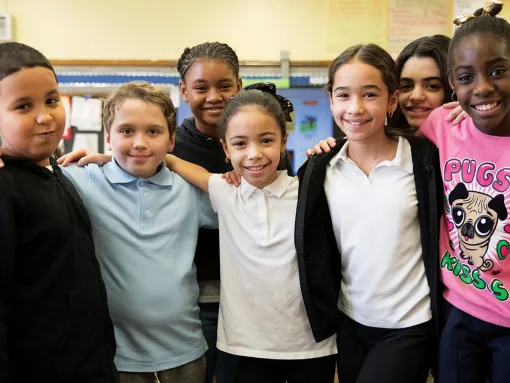
In recent years, we have seen alarming images and biased language in schools and universities: name-calling, hate-filled taunts, vandalism, racial slurs and epithets, offensive graffiti on desks and bathroom walls. In addition, many young people—especially those whose identities have been targeted publicly with words and actions—are fearful and worried. Teachers have had to work overtime to console those students and provide resources to get help. Schools must be places where…
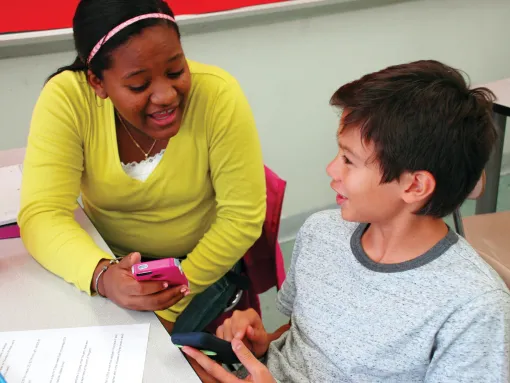
For Educators | For Parents, Families, and Caregivers | For Students Here are some simple things you can do to be an ally to targets of name-calling and bullying. And remember—always think about your safety first when deciding the best way to respond. 1. Support targets, whether you know them or not.Show compassion and encouragement to those who are the targets of bullying behavior by asking if they’re okay, going with them to get help and letting them know you are there for them…
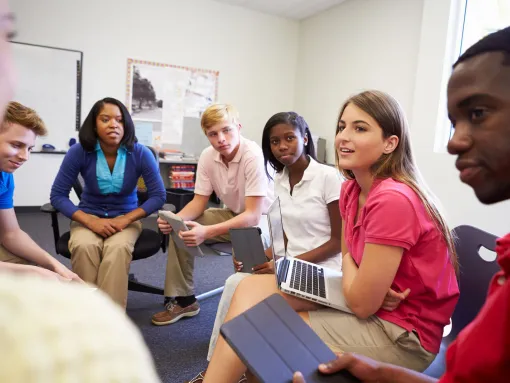
Young people are exposed to discussions of extremism every day through social media, news and overheard conversations between adults. As an educators, the topic can be challenging to teach because the situation is always changing and evolving and worse--classroom conversations can themselves lead to stereotyping, bias and bigotry when discussing perpetrators, targets and victims. The following resources will help you teach about extremism while ensuring that the…
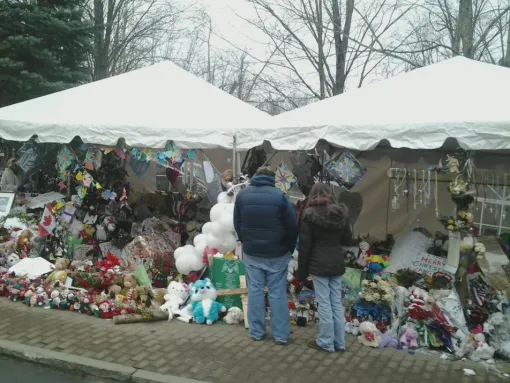
Table Talk: Family Conversations About Current Events
For Parents, Families, and Caregivers | 12 and up Talking with Children about Gun ViolenceThe issue of gun violence and mass shootings is in the news frequently. Young people are usually aware of what is happening and will want to talk about it. However, it is a sensitive, scary, and potentially painful topic. Before raising the matter with young people, consider your child’s personality. To what extent will the conversation…

Para fomentar escuelas y aulas respetuosas, inclusivas y equitativas, es importante reconocer la lengua que hablan los alumnos y sus familias. Esas lenguas reflejan y afirman su origen étnico, su cultura y su herencia. Según datos recientes del Censo, 63,7 millones de personas (o el 19,1% del total de la población) que viven en Estados Unidos se identifican como hispanos/latinoamericanos. Además, la mayoría de los hispanos (75%) afirman ser capaces de…
Advocating to Elected Officials
Advocating to the Media
Advocating on Campus
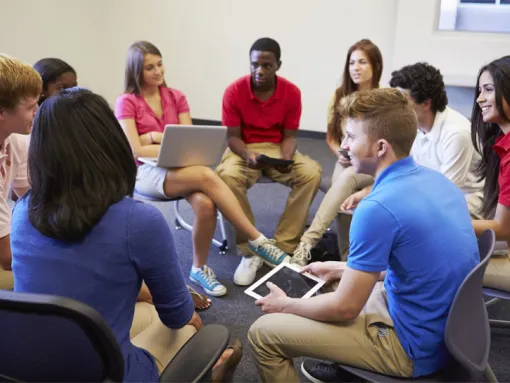
For Educators Because discussions of race and racism are part of our public discourse, educators feel a sense of responsibility to bring these topics into their classrooms—because young people want to be part of the conversation and should be. If handled effectively, these discussions provide opportunities for timely learning. Below are suggestions and strategies for having classroom conversations with young people about race and racism. Prior to these discussions and…
Most Americans’ perceptions of the Middle East conflict come from the mass media. Some media – especially large-circulation daily newspapers, network television and wire services – have correspondents based in Israel and continue to devote considerable attention to the Mideast. This is not surprising considering the intensive U.S.involvement in the peace process, America’s substantial interests in the region, and the continuing strong ties between the U…
Early Childhood Question Corner For Educators | For Parents, Families, and Caregivers Many adults think that talking with children about our differences teaches prejudice. In Anti-Bias Curriculum, Louise Derman-Sparks (1989) debunks that myth and writes that talking about differences does not increase prejudice in children. Whether or not adults discuss differences with children, all children begin to notice differences among people as part of their natural development. It is the messages…
Early Childhood Question Corner For Educators | For Parents, Families, and Caregivers The early childhood program environment should look and feel welcoming for all children and should reflect the diverse world in which we live. In addition to being bright, colorful, safe and clean, it should include children’s artwork and show the diversity of the world through the program’s abundant supply of age-appropriate toys, dolls, books, magazines , pictures and musical instruments…

For Educators | For Parents, Families, and Caregivers Winter is a festive time of year because so many holidays are celebrated by people from different religions, cultures and races. We spend time with family and friends, connect with our faith or culture, give and receive gifts and enjoy special foods and treats. However, this time of year—especially in schools and whether it's in-person, online or hybrid—can be a time where some children can feel uncomfortable, excluded, insulted…

For Educators In many of ADL’s lesson plans and activities, students are challenged to explore and articulate their personal feelings about sensitive topics including segregation, discrimination, and the value of diverse school communities. Talking about themes related to diversity requires that students demonstrate maturity and compassion for others. In conjunction with social justice curricula, it is therefore recommended that teachers use service learning, conflict resolution,…
Literature is a powerful vehicle for helping children understand their homes, communities and the world. Even before young children can read, family members, childcare providers and teachers read them stories about people in faraway places, sometimes from the distant past and sometimes about people whose lives are similar to their own. The impressions and messages contained in these stories can last a lifetime.
Books, at their best, invite children to use their imaginations, expand their…
On a daily basis—in the lunchroom, at the grocery store, in school hallways, in our political rhetoric and even at home—people hear and sometimes use words and phrases that demean, ridicule, offend or show ignorance about people from different groups and backgrounds. Regardless of whether the comments are deliberately malicious, said because the person lacks knowledge, or thought to be "a joke," such words are harmful and not only impact those on the receiving end but also everyone…